THE PROBLEM
Mines full of water
Flooding limited how deep miners could dig. The engine pumped the water out, and a Cornish miner said it let them sink mines to twice the depth.
Why it mattered doodlengine
WHAT THE MUSEUMS SAY
The first steam engine ran on a vacuum.
In 1712 an engine near Dudley began pumping water from a coal mine. Steam filled a cylinder, cold water turned it back to water, and the weight of the atmosphere pushed the piston down. Museum collections still show how it worked.
1712 first engine, near Dudley
Compare the enginesTHE SHORT ANSWER
The engine was built to solve one problem:
water flooding the mines.
THE PROBLEM
Flooding limited how deep miners could dig. The engine pumped the water out, and a Cornish miner said it let them sink mines to twice the depth.
Why it matteredTHE STROKE
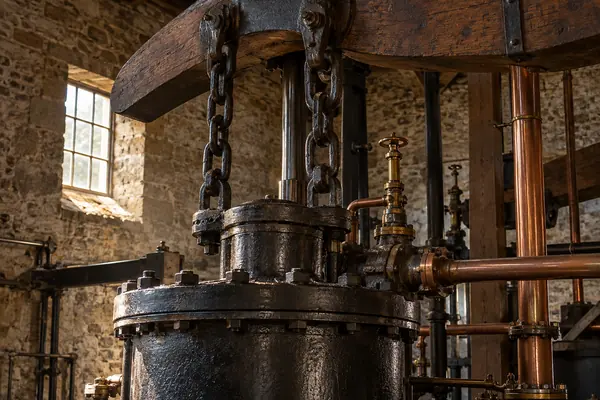
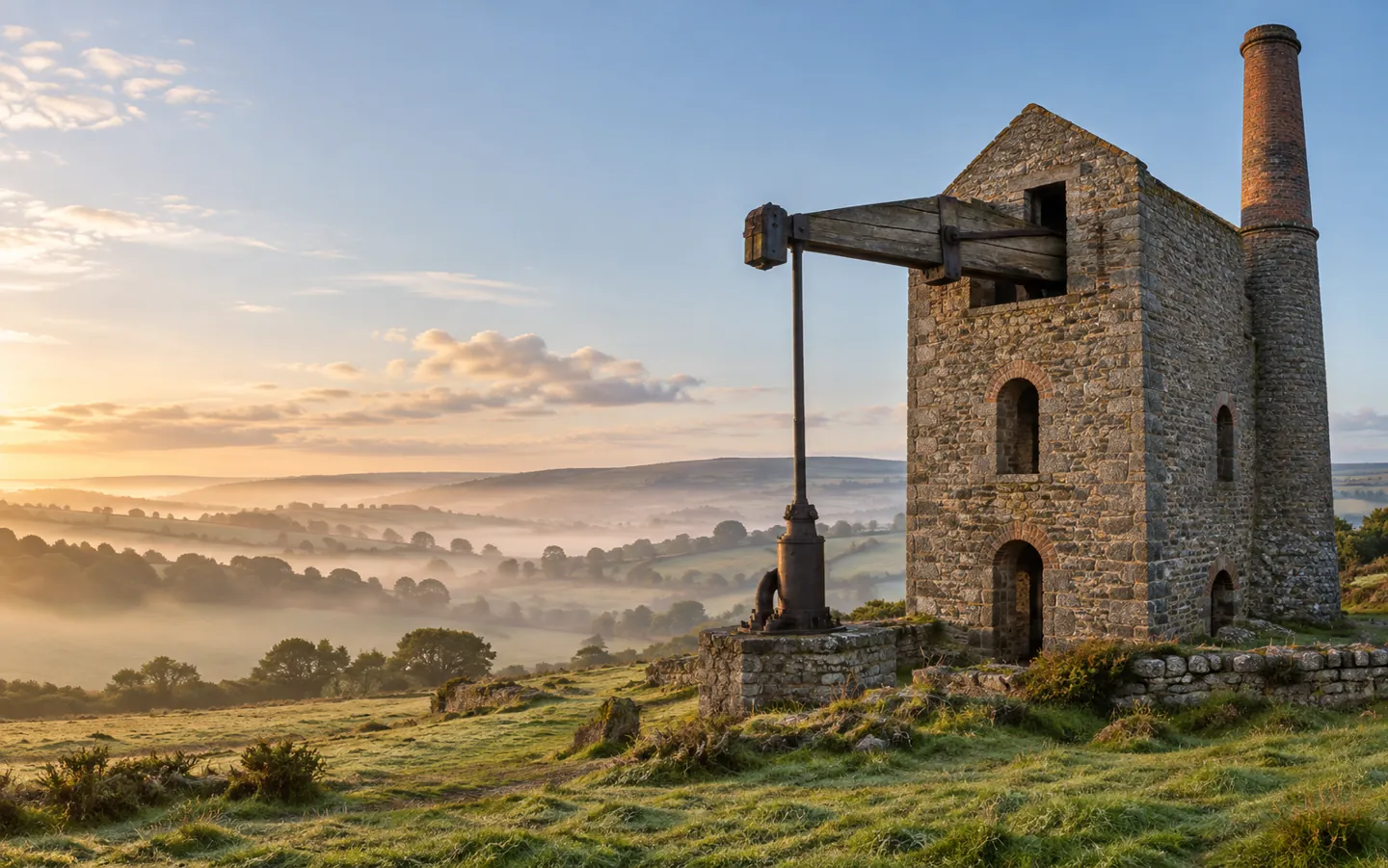
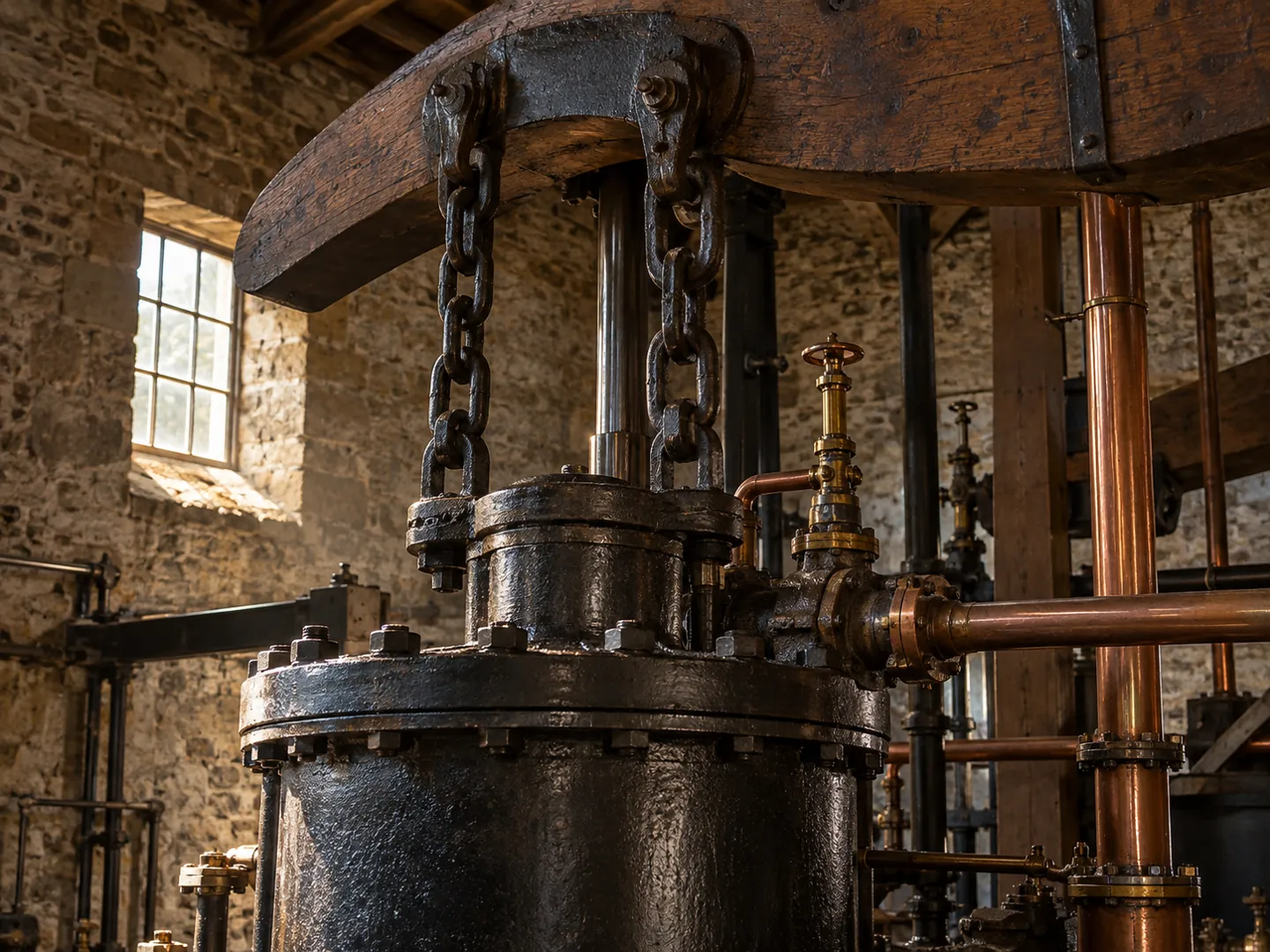
Steam filled an open-topped cylinder, then a jet of cold water condensed it. The atmosphere pushed the piston down, rocking the beam and lifting the pump rods.
Compare the enginesTHE FIX
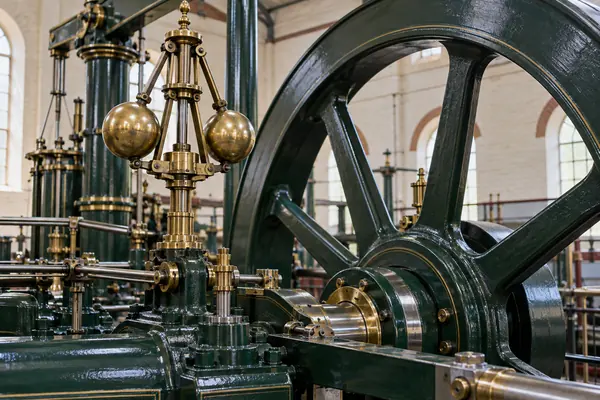
James Watt found most of the heat went into rewarming the cylinder. His 1765 separate condenser cooled the steam in another chamber instead.
See the numbers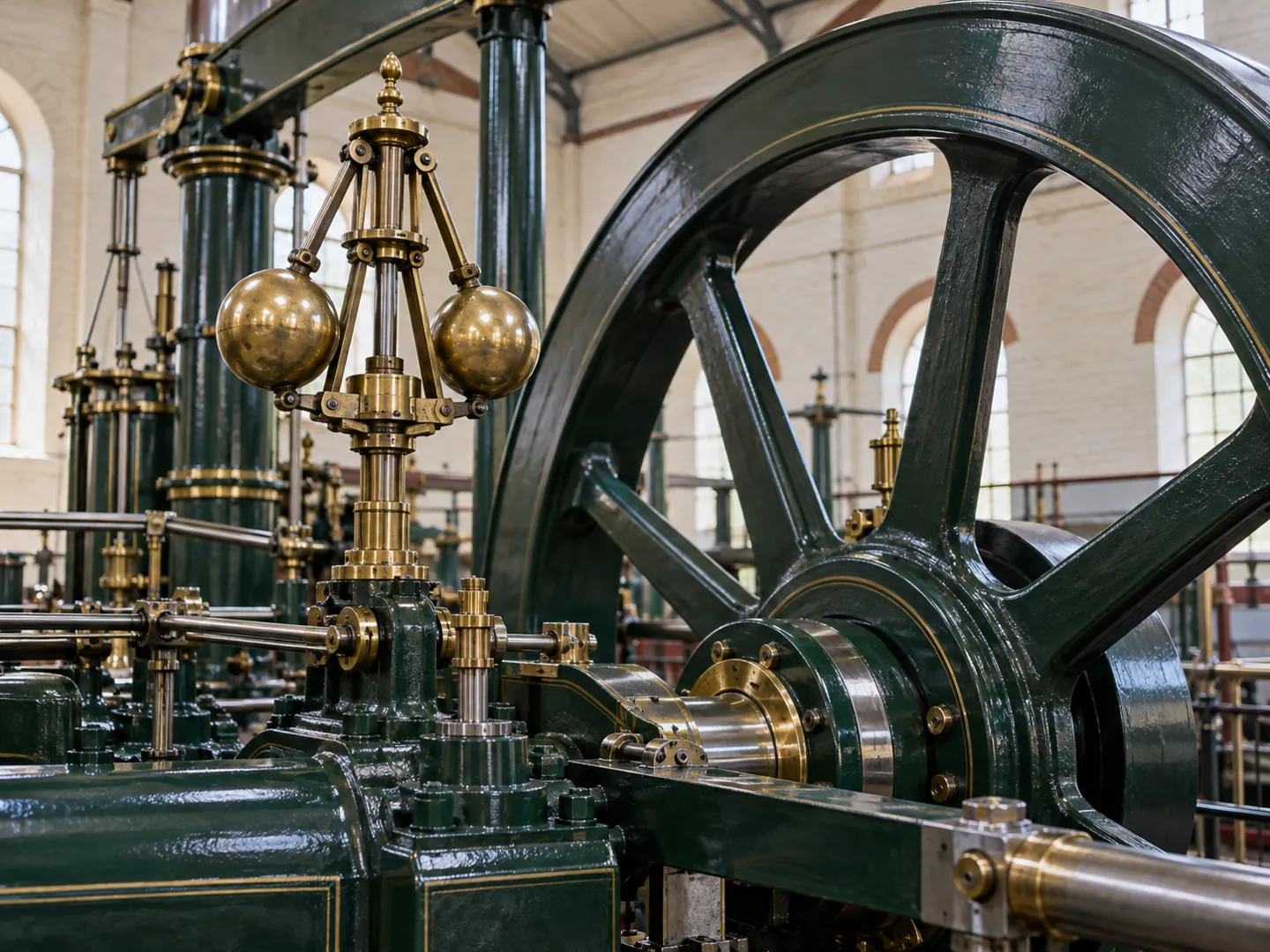
WHERE TO SEE ONE
Several early engines survive in Britain, and some still move. Check with each museum before you travel, as displays and running days change.
A working replica of the 1712 engine stands near Dudley, close to where the first engine pumped water from a coal mine.
A 9.5 metre, 20 tonne engine from an Ayrshire colliery is moved by hydraulic power at times during the day, with a working model beside it.
A 1791 atmospheric engine is listed in the Energy Hall, and Watt's 1765 separate condenser model in Making the Modern World.
A memorial engine was re-erected at Dartmouth in 1963, and an early 19th-century engine is preserved where it worked at Elsecar near Sheffield.
TWO NUMBERS WORTH KNOWING
One figure explains the vacuum,
the other the fuel saving that followed.
1500×
How much water expands when it turns to steam
Because steam takes up about 1500 times the space of the water it came from, condensing a cylinder of steam leaves a near-empty space. The air outside then pushes the piston in.
THE VACUUM · NATIONAL MUSEUMS SCOTLAND
≈ 5× better
Fuel efficiency of Watt's engine against Newcomen's
The separate condenser and Watt's later improvements together produced an engine about five times as efficient in its use of fuel as the Newcomen engine.
THE CONDENSER · SCIENCE MUSEUM GROUP
By 1824 Boulton and Watt had produced 1,164 steam engines with a total nominal power of about 26,000 horsepower, according to the Science Museum Group.
A QUICK FUEL CHECK
Pick an engine to see how it used its coal. The bar shows how much fuel it burned for the work it did.
Based on Science Museum Group and National Museums Scotland collection records.
WHY IT MATTERED
Water in mines limited how much coal and ore could be reached. Pumping it out let miners go deeper, and coal was vital to the growth of machine manufacturing in the 18th and 19th centuries.
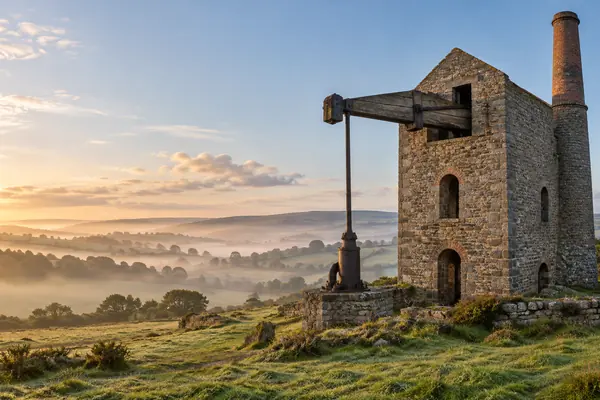
There were about a hundred of these engines in Britain by 1733. The early ones were built like houses, with cylinders cast by cannon founders and boilers that, like kettles, made steam at scarcely more than atmospheric pressure, so the cylinder could not burst.
Questions
Because the atmosphere did the pushing. Steam in the cylinder was condensed by a jet of cold water, leaving a partial vacuum, and the pressure of the air outside forced the piston down.
The Science Museum Group says the first engine was erected near Dudley in 1712. It drained a coal mine at Coneygre, and a working replica stands at the Black Country Living Museum.
They pumped water out of mines. The piston pulled down one end of a rocking beam, and the other end lifted heavy pump rods hanging in the mine shaft.
In 1765 he made a model with a separate condenser, so steam was cooled in its own chamber and the cylinder stayed hot. With later improvements, his engine was about five times as fuel-efficient.
In coalfields fuel cost almost nothing, and the old engine was cheap, reliable and paid no royalties. New ones were still being built in the 19th century, and some worked into the 20th.
Updated
ABOUT THIS NAME
doodlengine.com is part of the DoodleSale portfolio. It isn't in an auction right now, but you can ask about leasing it.